November 13, 2026
Turning Drone Certification and Gear into a Data Service Business
By @skylinefieldnotes
Why Certification and Equipment Are Just the Start
Earning your FAA remote pilot certificate and building a reliable drone fleet feel like major milestones. And they are. But many pilots discover that flying is only a small part of what clients actually pay for. What most customers really need is usable data, processed, organized, and delivered in a format they can act on. That shift in thinking, from "I fly drones" to "I provide data services," is what separates a hobbyist from a business owner.
This article walks through the practical steps to turn your existing gear and credentials into a service-based operation. It covers the workflow choices, client management decisions, and platform considerations that help you deliver consistent results without reinventing the wheel every time.
Step 1: Define Your Service Package Around Data, Not Flight Time
The easiest trap to fall into is pricing by the hour of stick time. Clients don't buy flight time; they buy answers. A farmer wants a crop health map. A construction manager wants an orthomosaic with volume calculations. A real estate agent wants a smooth fly-through video they can share online. Each of those deliverables starts with a flight, but the value lies in what happens after you land.
Map out three or four standard service packages. For example: a basic package might include raw images and a simple PDF report. A premium package could offer fully processed orthomosaics, annotated maps, and a shareable web link for the client to view the data. Keep the scope clear so both you and the client know what to expect. Avoid over-customizing every job, standardization saves time and reduces errors.
Watch out: don't promise processing you can't deliver consistently. If you're not skilled in photogrammetry software, stick to simpler outputs until you build that capability. It's better to under-promise and over-deliver than to miss a deadline with a half-processed dataset.
Step 2: Build a Repeatable Data Workflow
Consistency is everything. A repeatable data workflow means you capture, transfer, process, and deliver the same way each time. Start with pre-flight checklists that include camera settings, overlap percentages, and altitude limits. After the flight, have a standard folder structure on your hard drive or cloud storage. Process files in the same software with the same parameters. Deliver the final product in a consistent format, PDF, GeoTIFF, or web link, depending on the package.
What to watch: the biggest bottleneck for most new operators is the post-processing phase. Raw images from a single site can take hours to stitch into a clean orthomosaic if your computer is underpowered or if you're learning the software on the job. Consider outsourcing the heavy processing to a platform that handles it for you. That frees up your time to fly more missions and talk to clients.
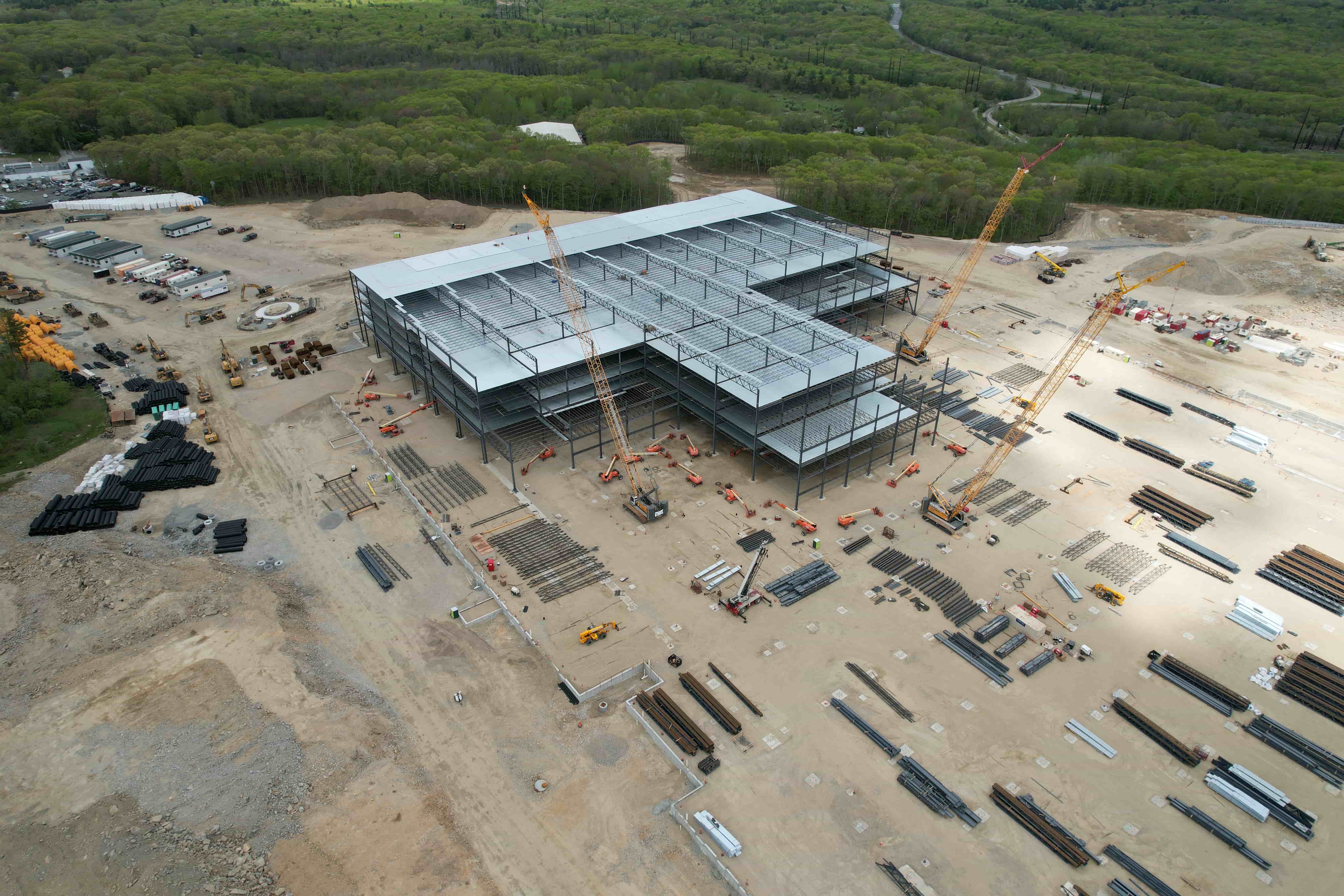
One option is to use a drone data platform that ingests your images and returns a finished deliverable. These platforms vary in features, pricing, and output quality. Some focus on mapping and surveying, others on inspection or thermal analysis. Test a few with sample datasets before committing. The right platform will make your workflow faster and more reliable, which directly improves your reputation.
Step 3: Set Up Your Client Deliverable and Hosting
Clients rarely want a hard drive full of files. They want a simple way to view, share, and understand the data. That's where project hosting comes in. Instead of emailing large attachments, you can host the processed data on a secure online dashboard or viewer. The client gets a link, opens it in a browser, and can pan, zoom, measure, or download what they need.
This step is often overlooked by new service providers. They deliver a folder of TIFFs and a PDF, then wonder why the client doesn't come back. A hosted viewer makes your work look professional and keeps the client engaged. It also reduces support requests because the client can explore the data themselves.
What to watch: make sure the hosting platform you choose allows you to control access. Some clients need the data to remain private, while others may want to share it with their own stakeholders. Look for platforms that offer password protection, expiration dates, and the ability to revoke access. Also check whether the platform charges per project or per month, and factor that into your pricing.
Step 4: Create a Simple Client Reporting Routine
Reporting is where you prove your value. A good report doesn't just show the data, it highlights what the data means for the client's project. For example, on a construction site, you might overlay the orthomosaic with a volume calculation and note areas where fill is needed. On a farm, you might mark zones of crop stress with a color-coded map and a short recommendation.
Keep reports concise. Use headings, clear images, and a summary section at the top. Avoid jargon unless you know the client understands it. If you're using a drone data platform, many generate reports automatically from the processed data. You can then customize the text and branding before sending it.
What to watch: don't let reporting become a time sink. Set a standard template and stick to it. If a client asks for extra analysis, quote it as a separate line item. Free custom reports can quickly eat into your margins. Also, be careful about making claims you can't back up. If you say a certain area needs irrigation, be sure the data supports that conclusion. Accuracy builds trust, and trust leads to repeat business.
Step 5: Set Up Your Account and Billing Structure
Once you have a workflow and a package menu, you need a way to manage clients and payments. This doesn't have to be complicated. A simple invoicing tool or even a spreadsheet can work for the first few clients. The key is to separate business finances from personal ones from the start. That means a dedicated bank account and a clear record of income and expenses.
For recurring clients, consider a retainer model. For example, a construction company might want weekly site surveys for the duration of a project. A retainer gives you predictable income and reduces the overhead of negotiating every flight. For one-off jobs, collect a deposit before the flight and the balance on delivery. This protects you from clients who disappear after receiving the data.
What to watch: data ownership and usage rights are a common sticking point. Your contract should state who owns the raw images and the processed deliverables. Many clients assume they own everything. Clarify that you retain the right to use non-confidential data in your portfolio unless they pay for exclusive rights. This is standard practice in the industry, but it's better to agree on it in writing before the first flight.

Step 6: Choose Your Platform Partners Wisely
No drone service provider does everything alone. You will likely rely on a few key platforms: one for flight planning, one for data processing, one for hosting, and maybe one for client reporting. The challenge is making them work together without creating a headache for yourself.
Look for platforms that integrate with each other. For example, a drone data platform that also handles hosting and reporting can simplify your stack. Fewer logins, fewer data transfers, and fewer things to break. On the other hand, a single platform might not excel at every stage. If you need very specialized processing (like thermal analysis or volumetric measurements), a niche tool might be better even if it means extra steps.
One option worth exploring is a service that connects you with clients directly. National Drone Services helps FAA-certified pilots find paid work and deliver data through a shared platform. This can be a practical way to get started without building a client base from zero. The platform handles the processing, hosting, and visualization, so you can focus on flying and client relationships.
What to watch: don't lock yourself into a platform that limits your flexibility. Read the terms carefully. Some platforms claim ownership of the data you upload, or they restrict how you can use it. Others charge hidden fees for storage, bandwidth, or export. Test the platform with a non-critical project first. If it feels clunky or the support is slow, keep looking. Your reputation depends on the quality and reliability of what you deliver, so choose partners that help you look good.
To recap: start by defining your services around deliverables, not flight hours. Build a repeatable workflow that includes processing, hosting, and reporting. Set up clean financial and legal practices. And choose platform partners that make your life easier, not harder. The combination of FAA certification, solid gear, and a smart data service model can turn flying into a real business, but only if you treat the data as the product, not the flight itself.
❧